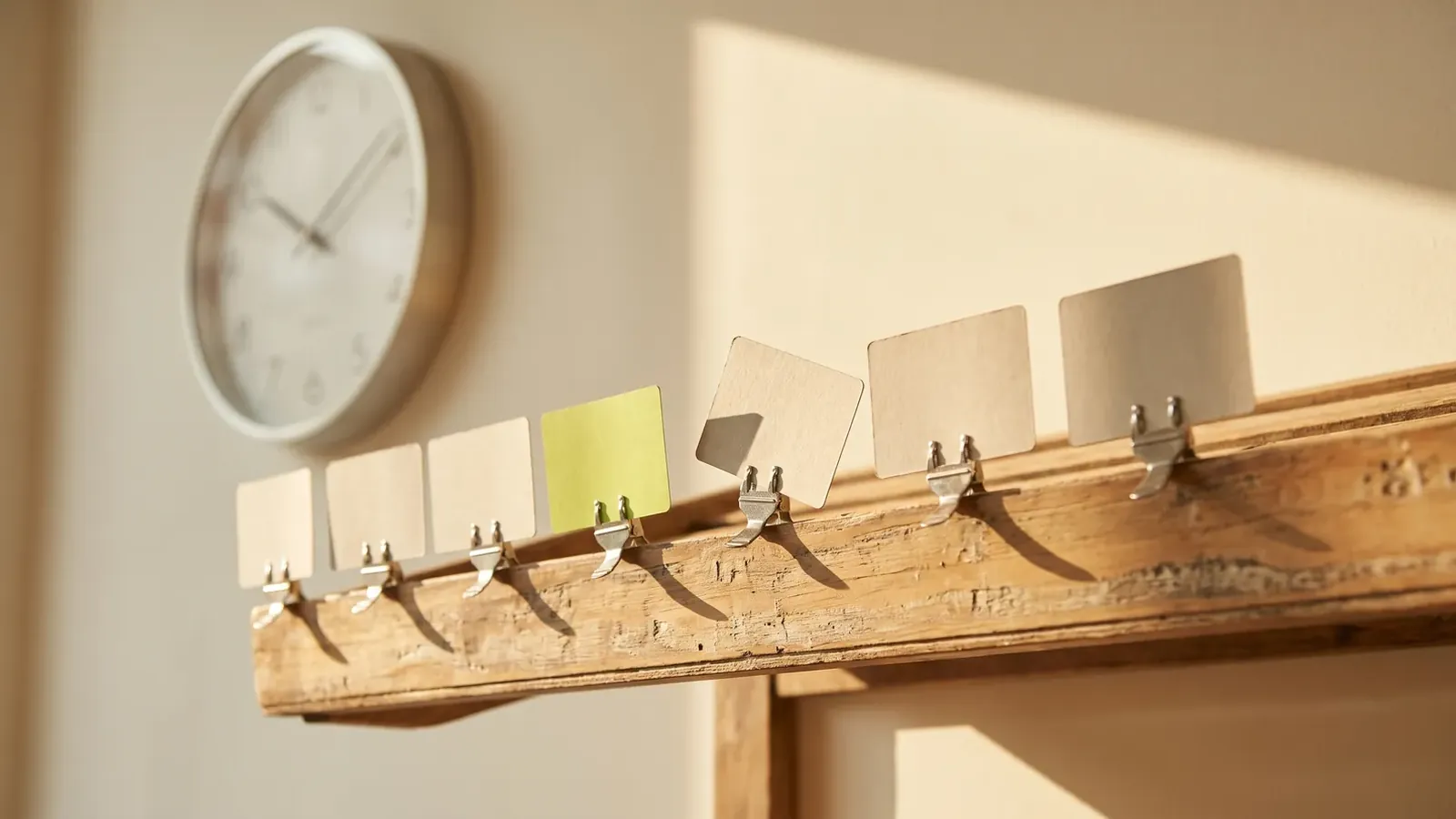
The riskiest part of a promotion isn't choosing the product or setting the discount. It's execution: the promotion starts but the cashier still rings the old price, or it ends and the discounted price runs on for days. Both cost money, and both come from the same cause — the promo price exists only on a taped-up sheet, not in the system.
What changes with dates
| On paper | With dates in the system | |
|---|---|---|
| Who knows the price | Whoever read the sheet | The system |
| Promotion starts | Someone has to remember | Automatic |
| Promotion ends | Often slips | Automatic |
| New colleague | Doesn't know about it | Sees the same as everyone |
Fixed price or percentage?
- Fixed promo price — best when you want a round number on the shelf; easier to remember and to give change for.
- Percentage discount — simpler when you're discounting a whole category at once.
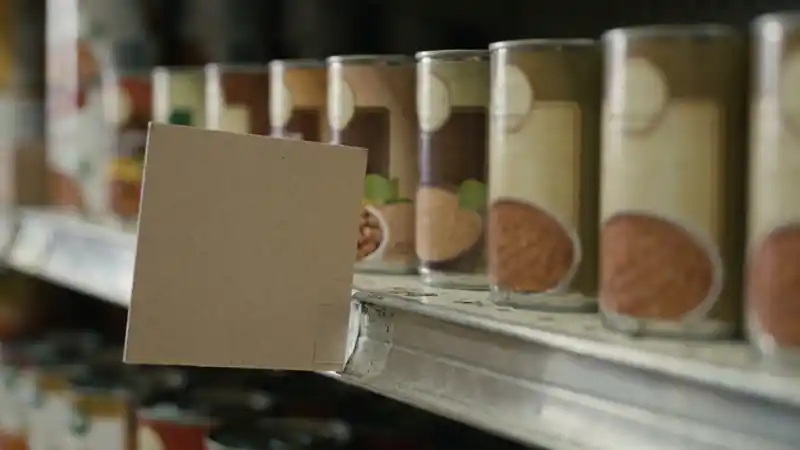
Why the countdown matters
The most common failure happens at the end, not the start. A promotion expires and nobody notices, so discounted stock keeps going out for days. A countdown that becomes more prominent as the end approaches makes that impossible to miss — and forces the extend-or-stop decision in time.
Was it worth it?
- 11. Look at unit volumeThe top-products list shows whether volume actually rose, or you simply sold the same amount for less.
- 22. Compare with wasteIf the goal was clearing short-dated stock, the measure of success is how much less went to waste.
- 33. Look at profit, not revenueRevenue almost always rises during a promotion. The question is whether profit did.
Which products are worth discounting?
A promotion isn’t good because the discount is big — it’s good because it sits on the right product. In a small shop there are four cases where a scheduled price genuinely brings something back. In every other case it is simply lost margin.
| Case | Why it works | What kind of promotion |
|---|---|---|
| Fresh goods that regularly become waste | Half price beats the bin | Time-of-day discount before closing |
| Stuck stock | Takes up space and ties up cash | Fixed promotional price until it clears |
| End of season | Nobody will look for it next week | Strong percentage, short window |
| Launching a new product | Customers need to try it | Smaller discount, longer period |
Time-of-day promotions: the last hour
For shops selling fresh goods this is the single highest-impact setting. At six in the evening most of the bakery will not sell at full price; at seven it goes in the bin. In the hour between, the customer who comes back for the discount is exactly the one who will come back next week too.
- Don’t guess the time: look at when sales in that product group actually slow down.
- Start with one product group rather than the whole shop — bakery is the usual entry point.
- After two weeks, compare the drop in waste with the margin given away.
- If it works, leave it running. That is how it becomes a habit for customers too.
Common mistakes
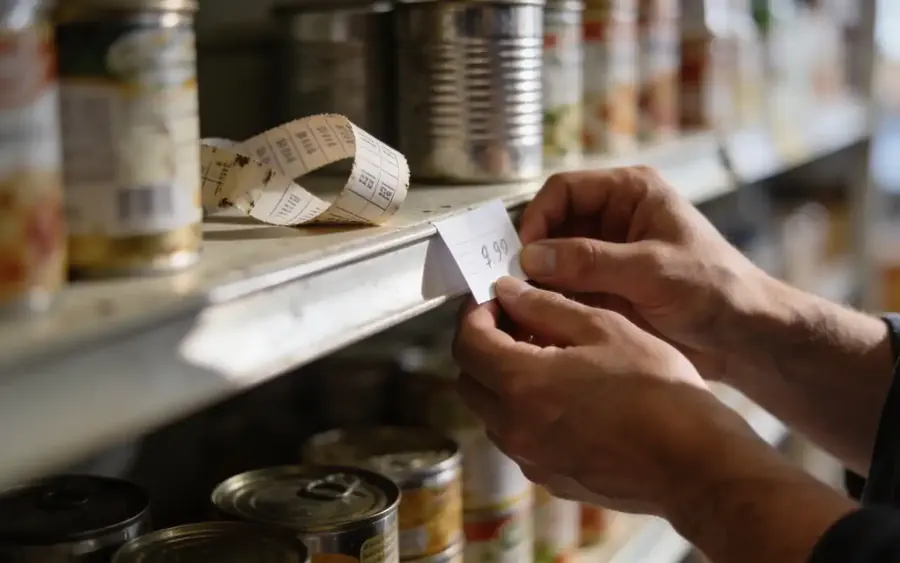
- The promotion lives on the shelf label but not in the till. The customer points it out, the cashier corrects it by hand — and there is your error.
- Too many promotions at once. If a third of the range is discounted, the discount loses its force.
- No measurement. Nobody checks afterwards whether it was worth it, so every following decision is guesswork too.
- Discounting the best seller. It would have sold anyway; the discount is pure loss.
In summary
The point of a scheduled promotion isn’t the discount — it’s that the till charges the right price by itself. That removes the most common failure: the promotion running on the shelf but not at the checkout, with the cashier holding the difference in their head. Pick the product, give it a start and an end, check it once at the till, and review the result after two weeks.
Frequently asked questions
What is a timed promotion?
A discount with a start and an end date. During that window the till calculates with the promo price automatically, then reverts.
Fixed price or percentage?
Fixed for a round shelf price; percentage when discounting several products or a whole category at once.
What happens when it expires?
The system reverts to the original price automatically, and a countdown warns you beforehand so you can decide about extending.
How do I know if it was worth it?
Check unit volume and profit in the report, plus how much waste dropped. Revenue alone is misleading, because it almost always rises.
Say the product's name and it's there on the till.
Boltom App takes the work behind the counter off your hands. You find a product by looking at its photo or saying its name out loud — no codes, no scraps of paper. Whatever leaves the shelf or goes in the bin is recorded right there, not in a notebook. It works alongside your existing till, not instead of it.
- A quick code with a photo — or just say the product's name and the till finds it.
- Staff consumption in three taps, recorded under the person's name.
- Daily waste with its reason: expired, broken, unsellable — totalled up in money.
No card needed · 2 minutes