Recording waste is the easiest task to put off. Everyone is tired before closing, the expired stock goes in the bin, and that's that. Months later nobody can say which product is routinely over-ordered — a question that costs money every week.
What to record
| Record | Skip |
|---|---|
| Daily bakery surplus | A dropped jar |
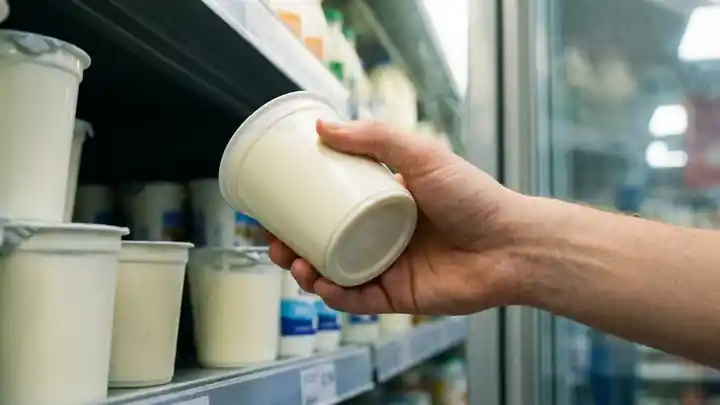
| Short-dated dairy | Damage caused by a customer |
| End-of-season lines | A one-off that never repeats |
| Whatever is left over week after week | Something that happened once this year |
Reading the pattern
- The same product is left over on the same weekday — usually where trading differs from what the order assumes.
- The large pack goes in the bin while the small one sells out — a pack-size problem, not a quantity one.
- A product only sells on promotion — a pricing question, not a waste one.
- There is always surplus right after a delivery — the ordering cycle is out of step with trade.

Why zero waste isn’t the goal
This sounds backwards, but zero waste is almost always a worse deal than a little waste. If nothing is ever left over, it means you regularly run out — and running out costs far more than what you throw away. A customer who finds no bread at three in the afternoon has a good chance of not coming back tomorrow either.
For fresh goods, waste is the price of a full shelf. The question isn’t how to reach zero, it’s where the level sits below which the lost sale hurts more. You can only find that level with data — guessing always makes you too cautious.
Four causes of waste — and what to do about each
| Cause | What it points to | What to do |
|---|---|---|
| Expiry | Ordering too much, or too early a delivery | Smaller quantity, more frequent orders |
| Damage, breakage | Storage or handling problem | Shelf layout, transport, packaging |
| Chiller failure | Technical fault or a door left open | Checks, alarm, working routine |
| Customer return | Quality problem at the supplier | Raise it with the supplier |
Markdown or waste?
Most waste could have been avoided a few hours earlier at a lower price. The bakery that goes in the bin at seven would have sold at five with a discount. This isn’t loss aversion, it’s arithmetic: a product sold at half price is half the revenue, a product thrown away is none of it.
- 1Look at your waste list for products that come back week after week at the same time of day.
- 2Set a scheduled discount on those, so it switches on by itself rather than depending on someone remembering.
- 3After two weeks compare the drop in waste with the margin you gave away.
- 4If the difference is positive, keep it. If not, start with the order quantity instead of the price.
In summary
Daily waste recording pays off when you treat it as feedback on your ordering rather than as a loss list. Record everything, tag the cause, review the three most frequent items each week, and change the quantity for one product at a time. What keeps coming back is usually better released through a scheduled discount than thrown away.
Frequently asked questions
Do I need to record everything thrown away?
No. Only what recurs and can be influenced by ordering. One-off accidents add noise, not information.
How long until a useful pattern appears?
About two weeks. That is enough to see which days and which products regularly leave surplus.
Are waste and staff consumption the same?
No. Waste is unsellable stock; staff consumption is what the team takes. Both explain a shortfall but lead to different decisions.
Does waste affect the profit figure?
Yes. With waste recorded, reported profit is closer to reality, because the purchase value doesn't vanish from the numbers.
Say the product's name and it's there on the till.
Boltom App takes the work behind the counter off your hands. You find a product by looking at its photo or saying its name out loud — no codes, no scraps of paper. Whatever leaves the shelf or goes in the bin is recorded right there, not in a notebook. It works alongside your existing till, not instead of it.
- A quick code with a photo — or just say the product's name and the till finds it.
- Staff consumption in three taps, recorded under the person's name.
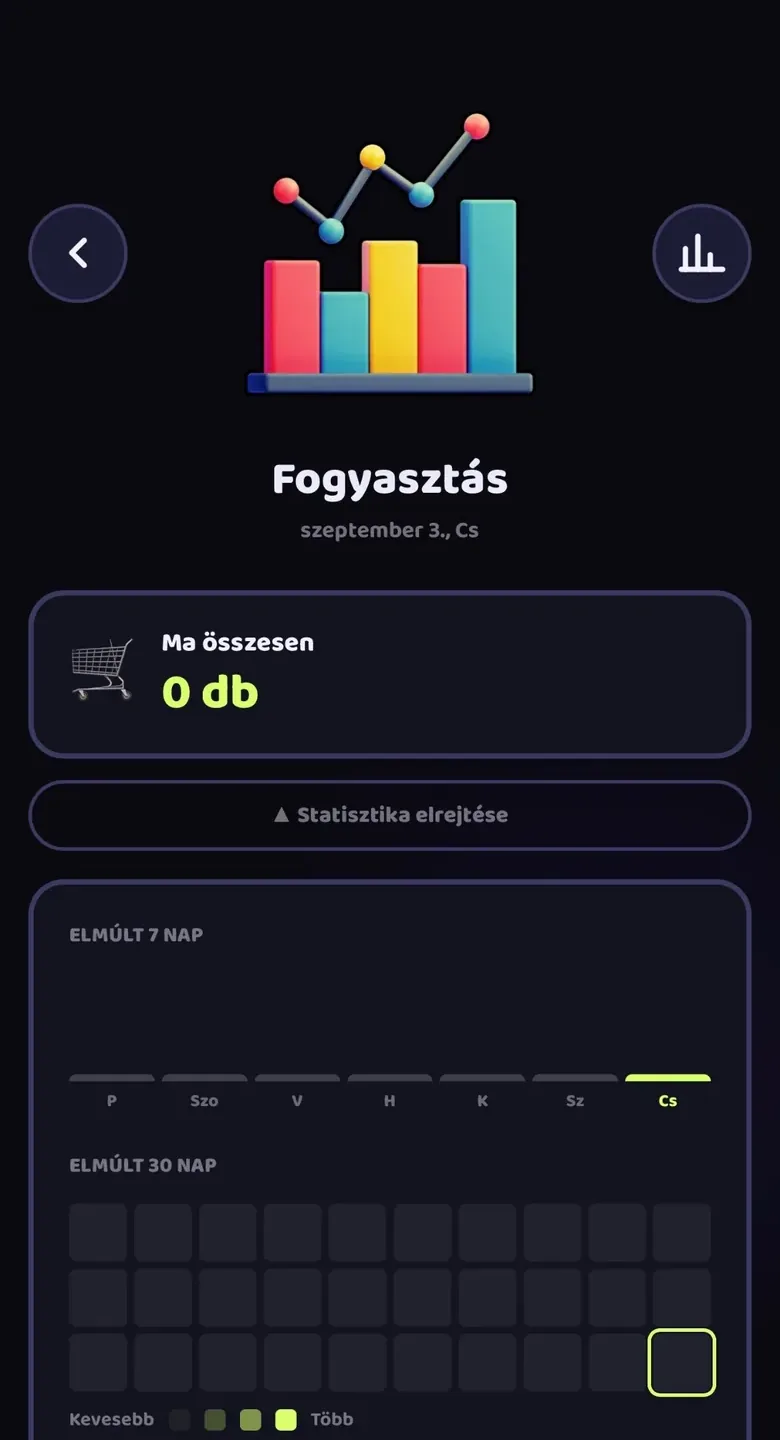
- Daily waste with its reason: expired, broken, unsellable — totalled up in money.
No card needed · 2 minutes