Practical guides for shop work.
 Daily routine
Counterfeit banknotes at the till: how to spot one, and what to do if you're handed a suspect note
A counterfeit banknote is rare, but if one slips through, its full value is missing from the till, and in many places nobody pays you back. We show you when the risk is higher, how to check each security feature in a few seconds, what to say to the customer if a note looks suspect, what to do if you only find out at closing, and how to train your team for it.
 Strategy
Holiday opening hours for your shop: when, how long, with whom — and how customers find out
On holidays customers shop differently, deliveries pause, and your team deserves a rest too. We show you how to use last year's hourly takings to decide whether a holiday afternoon is worth opening, how to plan your staff, what to order before and after the closure, how to put up your opening hours, and what to watch on the first day after the holiday.
 Stock
StockWholesaler, supplier or cash & carry? Where to buy stock for your shop
Where should you buy stock for your shop: direct from the manufacturer, from a delivering wholesaler, at a cash & carry, from a local producer or online? We put the channels side by side by price, minimum order, payment terms, flexibility and time, work out what buying with your own car really costs, and show you how to build your purchasing mix category by category.
 Strategy
Gift packs and gift baskets in a small shop: putting them together, pricing, selling
Done well, the gift pack is one of a small shop's best-margin seasonal products: a few ready-made combinations, made of long-life goods, at a clear price. We go through which types of pack to start with, what should go in and what shouldn't, how to work out the price, how to wrap and display them, how to handle pre-orders and business orders, how many to make in advance, and what to do with whatever is left over.
 Strategy
Franchise or independent shop? The pros, cons and costs of joining a chain
Join a network or stay independent? We go through the four basic models, from the classic franchise through the buying group to the fully independent shop: what you get in return, what fees and compulsory costs come with it, what you give up, how much extra turnover you need for the fees to pay off, and what to check in the contract before you sign.
 Team
TeamHow much should you pay a shop assistant? Wages, bonuses and what an employee really costs
Wages are one of a small shop's biggest costs, yet most shopkeepers set them by feel. We go through where to start, what an employee really costs on top of the gross wage, how much in wages the shop can carry, whether an extra person at peak time pays off, what is worth a bonus and what isn't, how to keep a good assistant beyond money, and how to talk about pay rises — from the assistant's side too.
 Daily routine
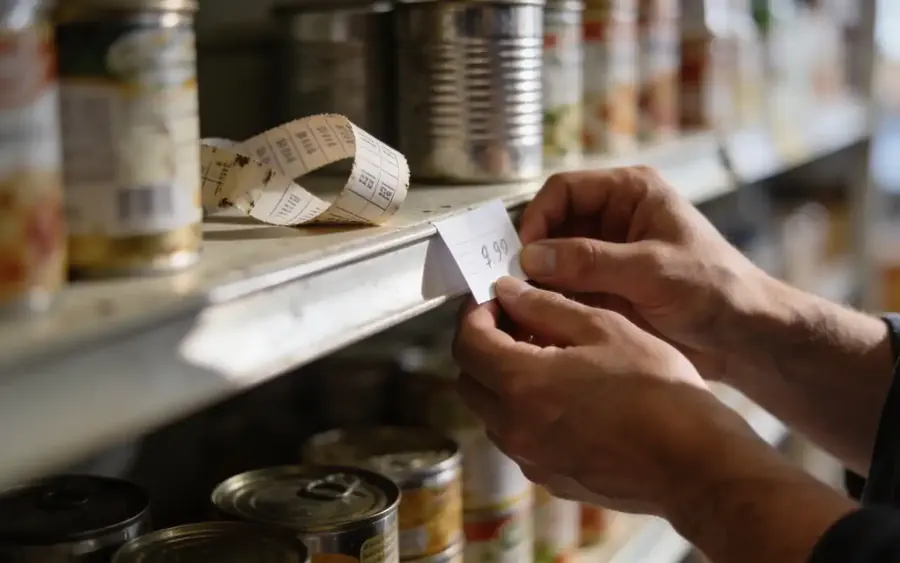
Consumer protection inspections in a shop: what inspectors check, what gets fined and how to prepare
Many shopkeepers dread a consumer protection inspection, yet most of the time the same few things are checked: prices, use-by dates, labelling, complaint handling and customer information. We go through how an inspection works, what inspectors ask for, where the most common mistakes are, what a fine depends on, what to do on the day and afterwards — and we give you a printable checklist for a monthly self-check.
 Strategy
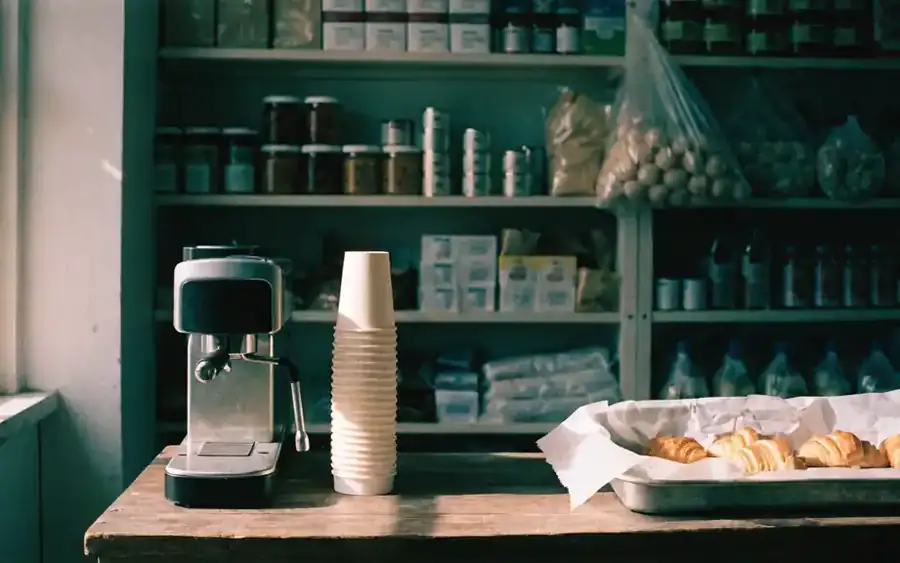
Products by the till: what to put next to the counter so impulse buys really pay
The half metre next to the till is the most valuable spot in the shop: the customer is about to pay and makes one last, quick decision. We go through which product groups work by the till, in what price band, in how much space, how often to swap them, how to suggest without being pushy — and how comparing two periods shows whether the counter really brings in more.
 Strategy
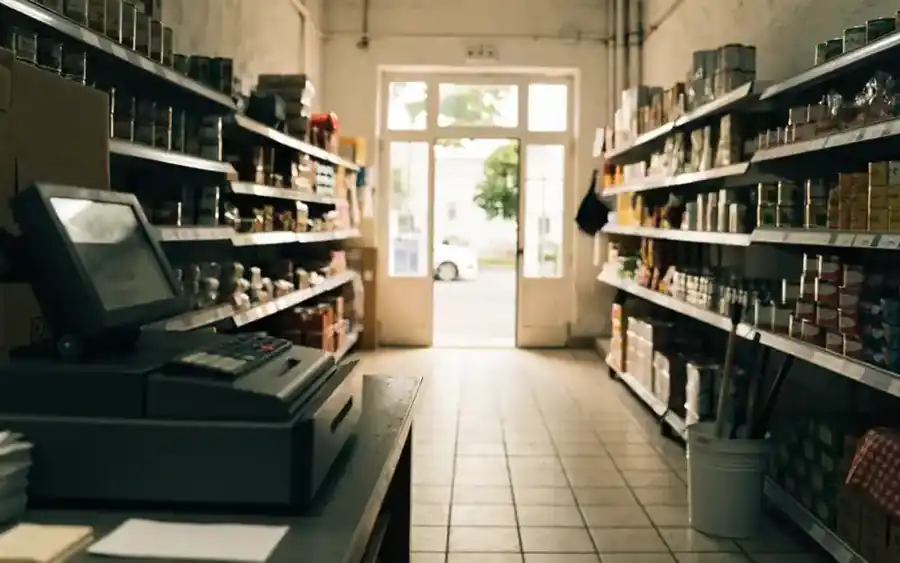
Atmosphere in the shop: light, music, scent and temperature that make customers want to stay
Customers don't think through what your shop's atmosphere is like — they simply feel it, and it makes them stay or hurry. We go through light, music, scent, temperature and noise, list the low-cost fixes, and show how to check in the average basket and the hourly number of sales whether a change actually made a difference.
 Daily routine
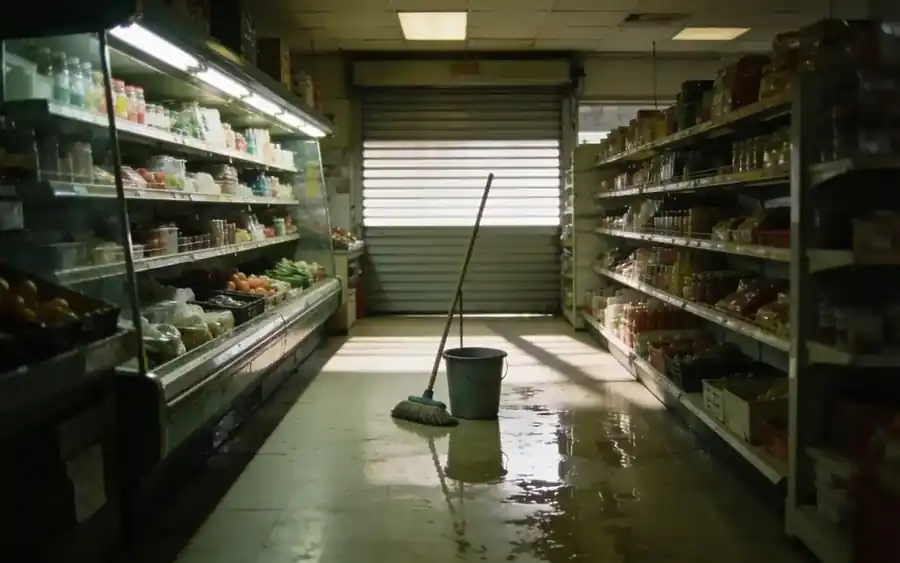
Shorter queues at peak time: how to speed up service in a small shop
In the morning and afternoon rush the question isn't how many customers come in, but how many walk off when they see the queue. We go through where the time goes in a single sale, what to prepare before the rush, how to set up the counter, when you need two people, and how a stopwatch and a tally sheet show whether the queue actually got shorter.
 Daily routine
Power cut, internet down or card machine dead: a shop contingency plan
A power cut, a dropped internet connection or a silent card machine always comes at the worst moment. This guide helps you make sure panic is not the one deciding: what to do in the first quarter of an hour, how long the fridge stays cold, how to keep selling for cash, what to check and what to throw away afterwards, and what belongs on the emergency sheet under the counter.
 Strategy
Shop window and storefront: ideas that make passers-by actually step inside
Passers-by don't stop to browse — they decide on the move. We go through what they need to see in your window and in front of your shop, what to write on the chalkboard, when to change the display, and how your sales count shows whether a change actually brought anyone in.
 Daily routine
Shop security: cash, closing up, the evening shift and robbery
Shop security is not about heroics. It is about keeping little cash to hand, having a set routine for closing, and making sure everyone knows that in a robbery, life comes before money. Here are the till limit, skimming, the closing steps, rules for lone workers and what to do during and after a robbery.
 Team
TeamAlcohol and tobacco at the till: age checks, asking for ID and how to say no
Selling an age-restricted product is one quick moment at the till, but a mistake can cost a fine or, worse, your licence. Here is the internal rule on who to ask for ID, word-for-word phrases for asking and refusing, the difficult situations, the refusals log and a ten-minute training session.
 Strategy
Getting ready for the year end: a season plan for your shop from October to January
The year end is not decided in December but in October. A week-by-week season plan for what to decide when — from holiday requests through the queues on the big days to the quiet of January.
 Daily routine
HACCP for a small shop: a simple system that passes inspection
HACCP is not paperwork for its own sake — it is a few points you watch every day and a record that you watched them. Here are the seven principles in counter language, a small shop's typical critical points, the temperature log and what an inspector is really looking for.
 Finance
Psychological pricing in a small shop: when .99 works, what an anchor price does, and when a bundle eats your profit
The same price works differently depending on how you show it. We go through prices ending in 9, round prices, anchor prices, bundle offers and unit prices — and how to measure what works in your own shop.
 Strategy
A parcel pickup point in your shop: is it worth taking on parcels, bill payments and top-ups?
The per-parcel fee rarely pays for the time spent at the counter — the real value is the extra sales. A worked example, the pitfalls in the contract, and how to measure over two or three months whether it pays off for you.
 Team
TeamCustomer complaints at the till: how to handle them so the customer comes back
A complaint at the till is rarely about the product — it is about whether the customer comes back. What to say in the first minute, what never to say, what to do in the six most common cases, and how to learn from them.
 Finance
How much does a small shop (and its owner) make? Turnover, margin and what is really left
A lot of money passes through the till, yet little is left for the owner. We follow the turnover from the till to the owner's pocket, with three shop profiles, and work it back to an hourly rate too.
 Stock
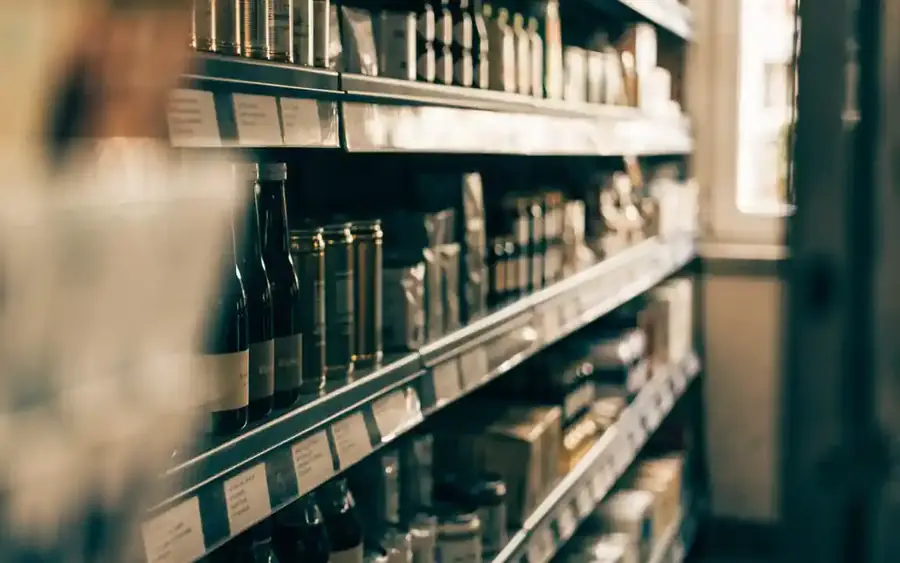
StockWhat to sell in a small shop: building your starter range
A new shop's range doesn't come from the wholesaler's catalogue but from who walks past your door, when and why. Here is the category map, the starting quantities and how to measure the first weeks.
 Strategy
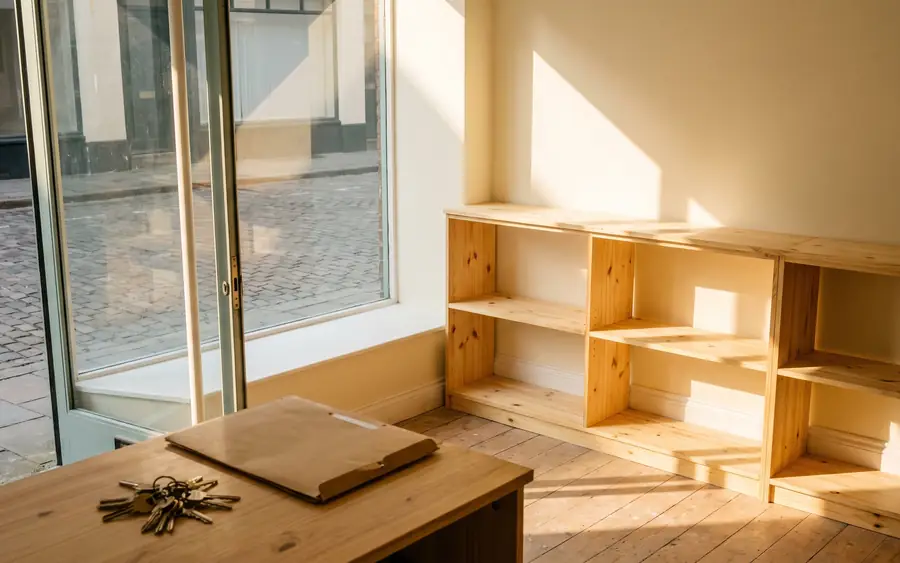
Buying an existing shop: what it's worth and what to check before you buy
Taking over a running shop is a faster route than starting from scratch — as long as you buy what you see. What to ask the seller for, what to count yourself, and how to arrive at an honest price.
 Stock
StockBarcodes and EAN codes in a small shop: where to get them, and when an in-store code is enough
Do you need to apply for your own EAN code, can you simply make up a number, and what do you do with the bread roll that has nothing on it? This article goes through when an in-store code is enough, when you need an official one and when a barcode scanner pays off.
 Strategy
A business plan for opening a shop: template, worked example and the numbers that sink it
A shop's business plan is not polished prose for the bank but three numbers: how many customers come, how much they spend, and what it takes to break even. Here is the template and a worked example.
 Getting started
How to choose a POS system for a small shop: 12 questions before you pay
Adverts for shop software start with a feature list. This article starts with what hurts in your shop today — and works out from there which category you need, what it really costs and what to ask before you sign.
 Finance
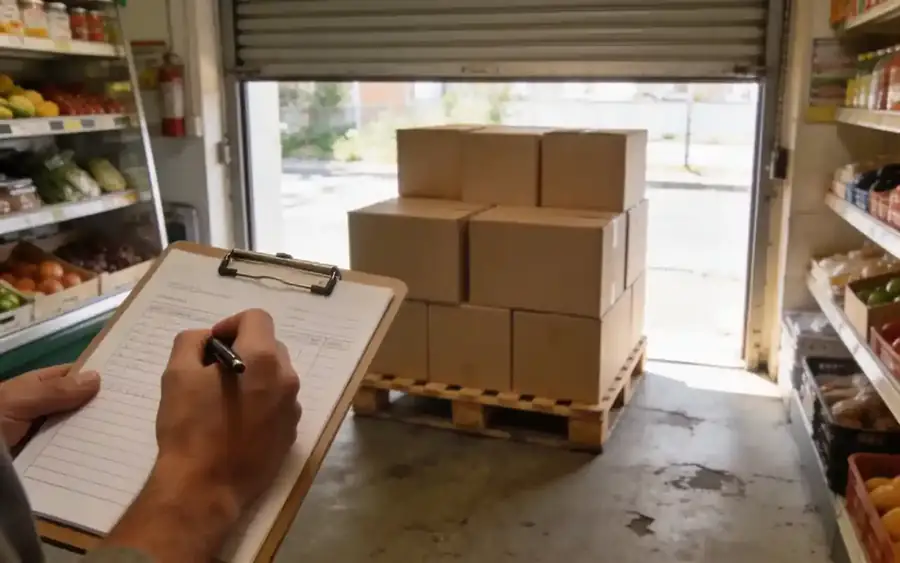
Deposit return schemes in a small shop: the till, the backroom and the money
The deposit is money flowing through your shop, not yours. Record it together with the product and your turnover and margin start telling lies. Here's how to handle it at the till, in the backroom and in settlement.
 Strategy
What licences and permits do you need to open a shop? A checklist for the months before opening
The list of permits differs from country to country, but the questions are the same everywhere. Here is the full map: what to clarify, where to ask, and why before the lease.
 Stock
StockThe year-end stocktake in a shop, step by step — with a checklist
A stocktake isn't just an obligation: it is the one day of the year when you see the real state of your shop. With two weeks of preparation it can be done calmly in a single day.
 Stock
StockStock control in Excel: a template, the formulas, and when to move to software
A well-built spreadsheet can serve a small shop for years. This article shows how to put one together in an afternoon — and where it tends to break once several of you are working.
 Team
TeamYou can't find a shop assistant: how to hire and keep one in a small shop
Nobody answers the advert, and whoever does arrive moves on two months later. Keeping people, though, is cheaper than looking for them — and it mostly isn't about money.
 Finance
Shoplifting and shrinkage: what can be done from behind the counter
Defending against theft isn't about catching people. It is about the shop being a poor place for it in the first place — and that is a question of layout, not vigilance.
 Strategy
A discounter has opened nearby: what to do when a supermarket arrives
The price war cannot be won — and that isn't where the question is decided anyway. What stays, though, can be worked out, and built on.
 Strategy
Delivery and ordering platforms: when they are worth it for a small shop
Delivery isn't one decision but three separate routes — and the dearest one tends to get picked first. Before you join a platform, it is worth working out what is left after commission.
 Strategy
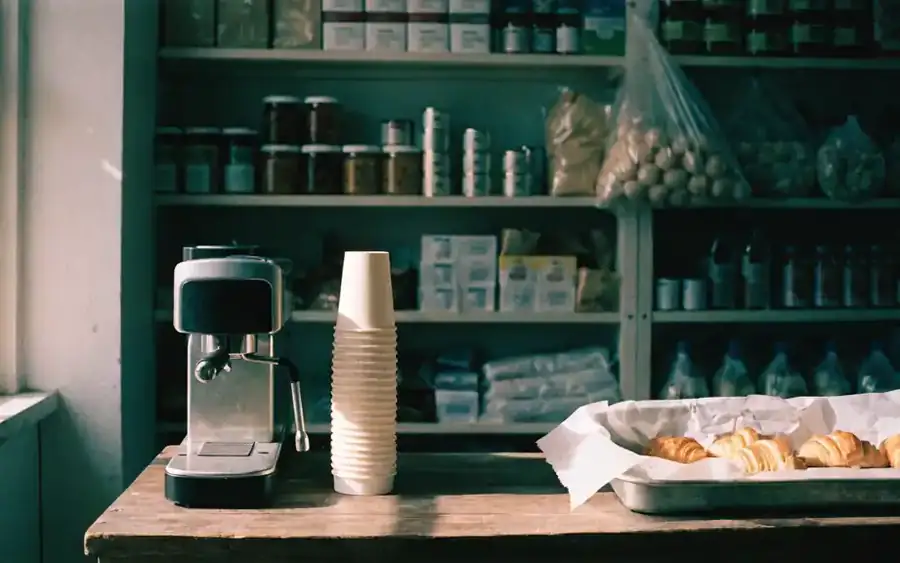
Coffee and hot food in a small shop: is it worth it, and how to start
A coffee counter that works can bring in more from a few square metres than a whole run of shelving. One started badly takes forty minutes a day and produces binned bakery. The difference can be calculated.
 Finance
The shop is profitable and still has no money — stock and cash flow
Most shops don't close because they are loss-making, but because on a given day they have nothing to pay with. Profit and cash are two different things — and the difference is sitting on the shelf.
 Strategy
Regulars: how to make people come back
Winning a new customer is expensive, keeping an existing one is nearly free — and yet we spend on the former. In a small shop a regular isn't one sale, it is a whole year.
 Strategy
How to promote your shop on social media — free and paid
A small shop's social media isn't about being seen by many. It is about being seen by the three hundred people who can walk over in ten minutes. Those are two completely different jobs.
 Finance
How late should your shop stay open? The marginal hour, Sundays and early starts
Opening hours are the most expensive decision made on the least data. Yet a single hour's result can be calculated — and after that you no longer have to decide by feel how long you stand behind the counter.
 Daily routine
Cleanliness in the shop: a daily, weekly and monthly routine
A shop doesn't get clean because everyone is trying. It gets clean because it is written down what is due when — and because the rare jobs have a name against them, not a role.
 Finance
When and how to raise prices without losing customers
In most shops a price rise is put off until it isn't a choice any more. Yet not every product carries the same risk — and there are five or ten whose price the customer really does know by heart.
 Strategy
How people find your shop on Google Maps and in search
Most customers don't see your window first, they see their phone. The listing is free and takes an afternoon — and it is still the place where most small shops stay invisible.
 Daily routine
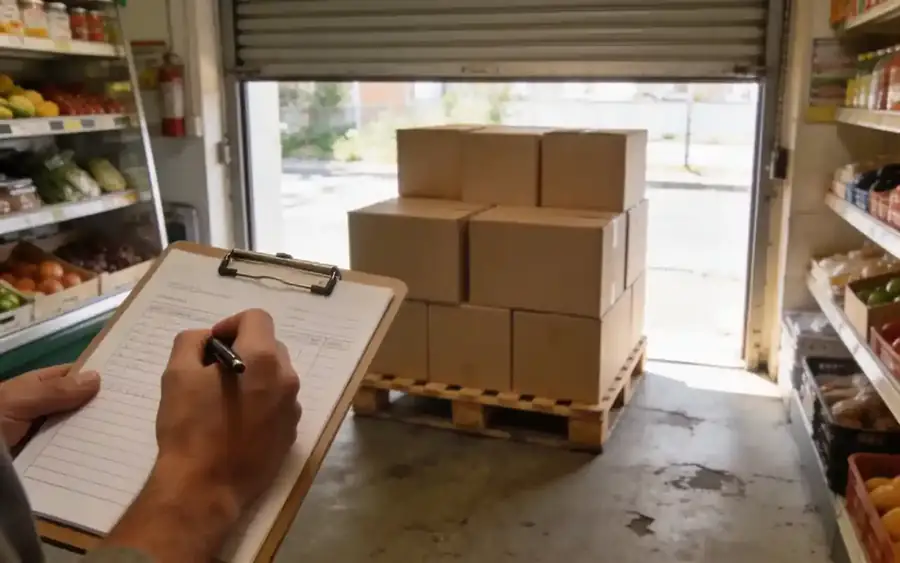
Taking a delivery step by step — and what the stockroom should look like
Goods receiving is one of the most expensive ten minutes in a shop: this is where you find out whether you actually got what you're paying for. And the stockroom decides whether you can find it afterwards.
 Stock
StockDate codes in the shop: the rotation that prevents waste
Most waste isn't caused by bad ordering — it's caused by older stock staying at the back. Rotation is the two minutes a day that stops it happening.
 Stock
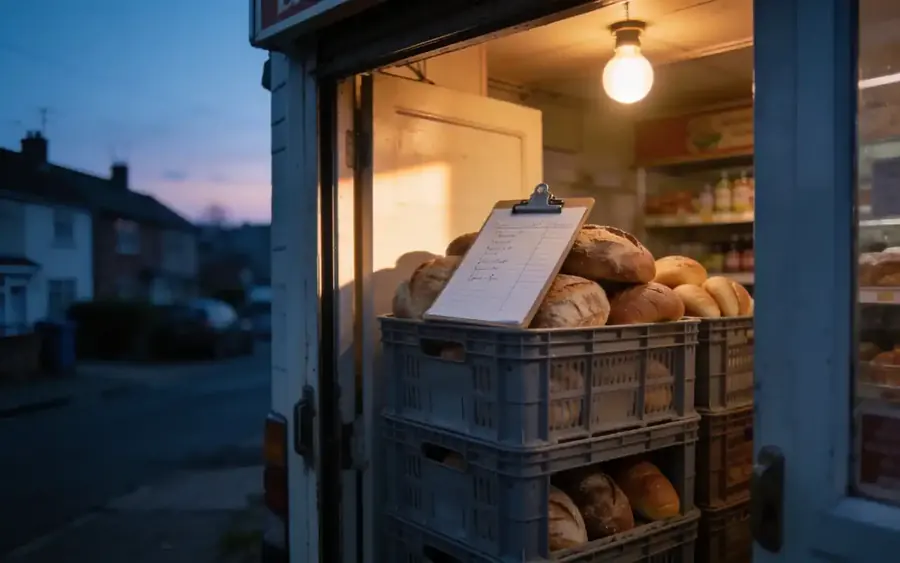
StockHow much fresh stock should you order for tomorrow? Bread and dairy
Fresh stock gives you no second chance: what you don't sell today, you can't sell tomorrow. Yet almost everywhere the daily order is made from memory — when two numbers would tell you the answer.
 Daily routine
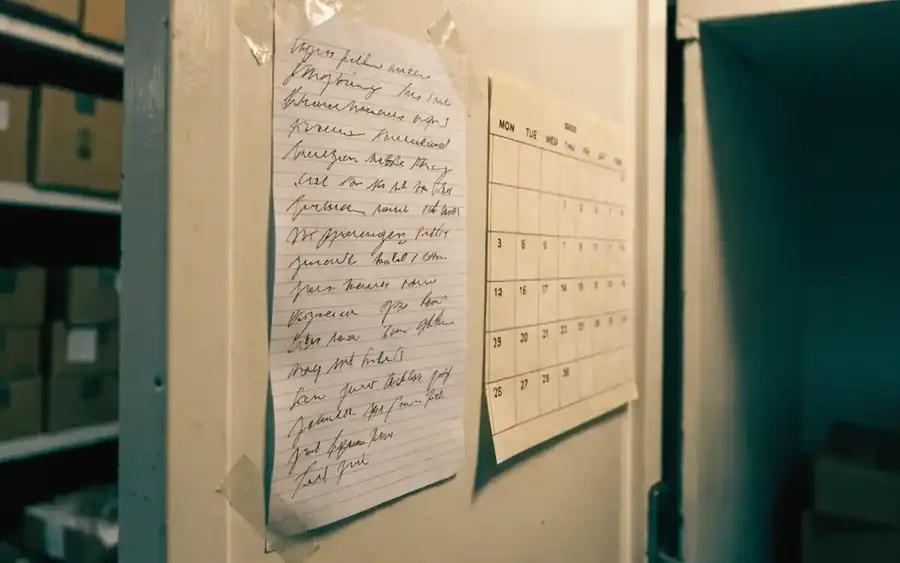
Weekly and monthly jobs: what doesn't fit into the daily routine
A daily routine works because it is short. But some things aren't needed every day, and if they never come round at all, months later you have a problem — and by then it's expensive.
 Money
MoneyWhat does the chiller cost you? The energy bill in a shop
The energy bill is a hard subject because it arrives as one number with no visible structure. Yet in a shop a handful of machines account for most of it — and those can be measured.
 Strategy
Where should everything go? A shop layout that actually sells more
Same goods, same price, same customers — and yet different things sell when they sit somewhere else. Layout is the one thing in a shop you can change in an afternoon, and it costs nothing.
 Stock
StockWhen to place the Christmas order, and how much to order
Christmas turnover isn't decided in December. It's decided now — and this is how to order so that in January your money isn't sitting in the stockroom.
 Daily routine
The daily routine of a shop: opening, midday, closing
A good shop isn't good because somebody keeps everything in their head. It's good because the day starts and ends the same way — even when someone else is in.
 Money
MoneyCard or cash? What each one really costs you
Card fees hurt because you can see them on a statement. Cash costs don't hurt because they never appear anywhere — which is not the same as being free.
 Team
TeamShift planning in a shop: keeping wage costs from eating the profit
Wages are your second largest outgoing, and it isn't the pay rate that decides them but the rota. Here is how to measure when customers actually come — and how to fit the day around it.
 Money
MoneySuppliers and cost price: how to negotiate, and when to switch
The cost price is your biggest outgoing, and it isn't one number: six terms make it up. Here is how to prepare for the conversation — and how to spot when to switch.
 Strategy
What does it cost to open a small shop? The full list and the first 90 days
The cost of opening isn't one number but four groups, and it is almost always the fourth that sinks a shop. Here is the full list, a way to estimate, and a 90-day plan.
 Strategy
How to grow a shop's turnover: 12 steps that actually work
Turnover isn't one number but three multiplied together: how many customers come in, how much they buy at once, and how often they come back. Twelve steps — each with where you'll see it.
 Stock
StockWhere does the money go? Stock shrinkage in a shop — and what to do
At the end of stocktaking the number is there; the explanation isn't. Yet shrinkage blends four different things, and each one needs a different answer.
 Money
MoneyWhat is your margin really? Markup, margin and a shop's true profit
You know the cost price and the shelf price. Yet it is only at month end that you find out what stayed. Here are the three formulas people mix up — and the four places the profit leaks.
 Strategy
Specialisation for small shops: staying competitive
A small shop doesn't survive by stocking a little of everything. It survives because there are two or three reasons to walk into that particular shop.
 Stock
StockOut of stock or overstocked? Finding the balance in a small shop
Expired stock is a visible loss; an empty shelf is an invisible one. Both come from the same decision — and two weeks of data show which one is hurting you more.
 Team
TeamHow to train a new shop assistant in 3 days: a 7-step guide
A new colleague doesn't become a good assistant because you told them everything on day one. Seven steps across three days — and the order matters as much as the content.
 Promotions
Timed promotions: let the till ring the right price
You shouldn't have to keep promo prices in your head. Set the dates and the system switches by itself.
 Team
TeamTraining a new employee on the till in five minutes
They don't have to learn the system — just one movement: look, tap, done.
 Daily routine
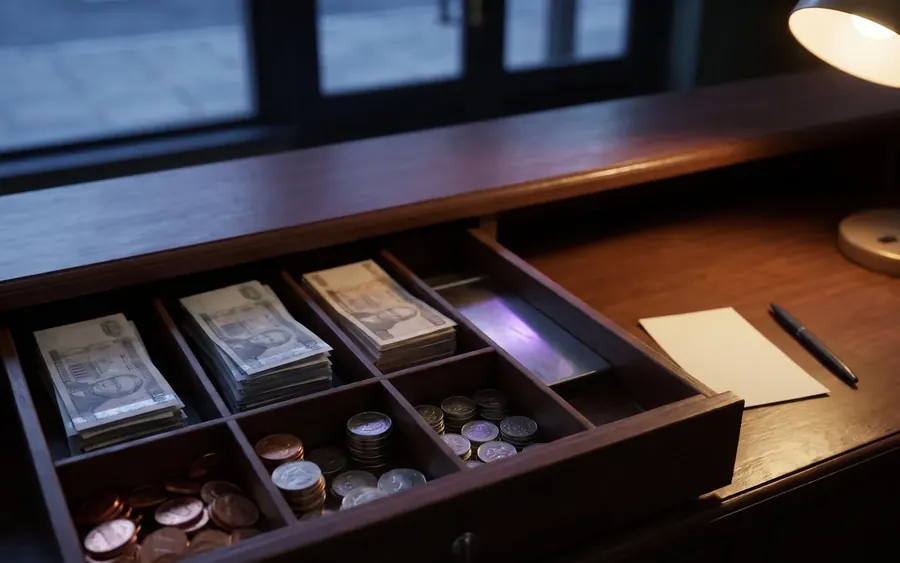
Shift close and cash reconciliation, step by step
Opening float, cash, card, difference. Five minutes, and there's nothing to argue about the next day.
 Stock
StockDaily waste: what to record and what to skip
Waste isn't a loss list. It's the cheapest ordering advice you have — if you have data on it.
 Stock
StockStaff consumption: why it is worth recording
It isn't about mistrust. Without it, at year end nobody can tell what was used internally and what actually went missing.
 Getting started
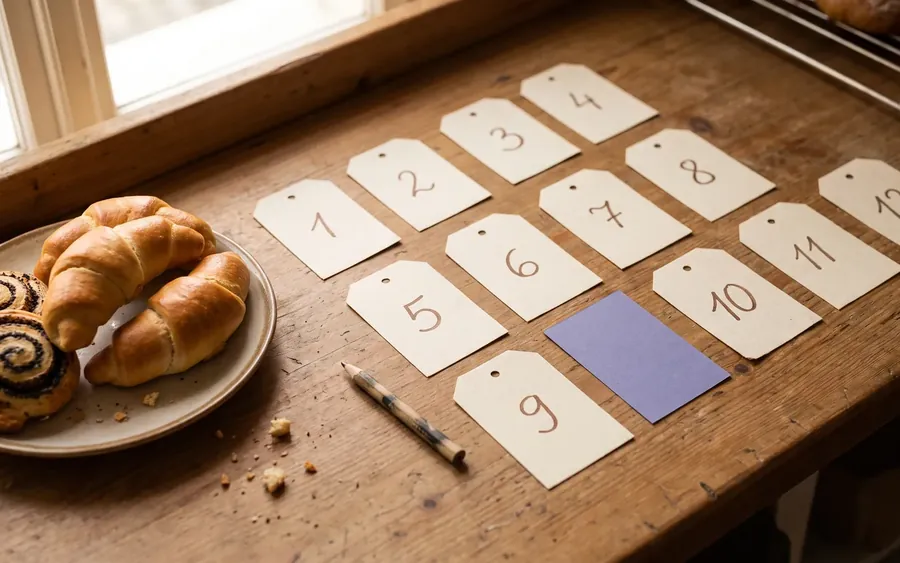
How to set up your first 50 quick codes
You don't need your whole range in the system for the till to be faster tomorrow. Fifty well-chosen products are enough — and there's a method for picking them.
Tomorrow morning your till could already be faster.
Sign up, add your first products, and you're running. No installer, no engineer, no credit card.
2 minutes · no credit card · ready right away