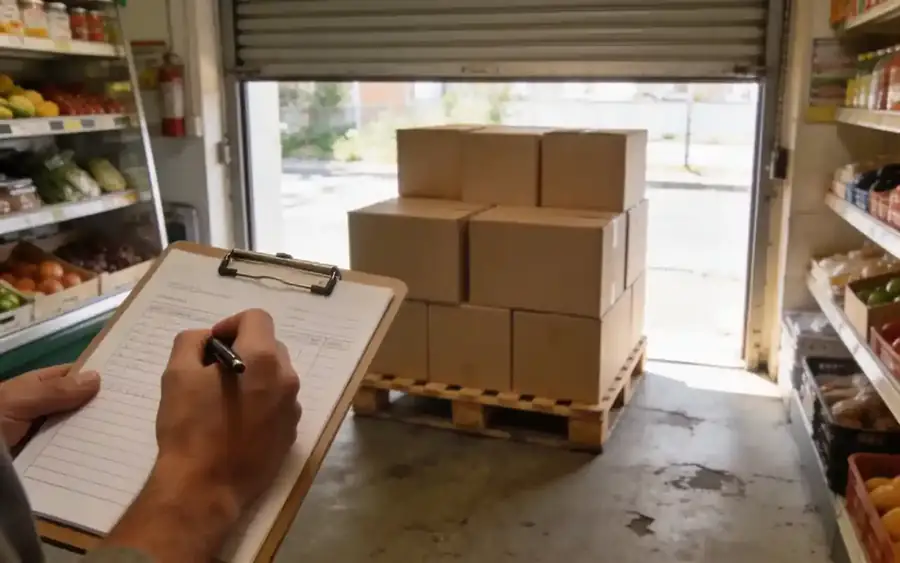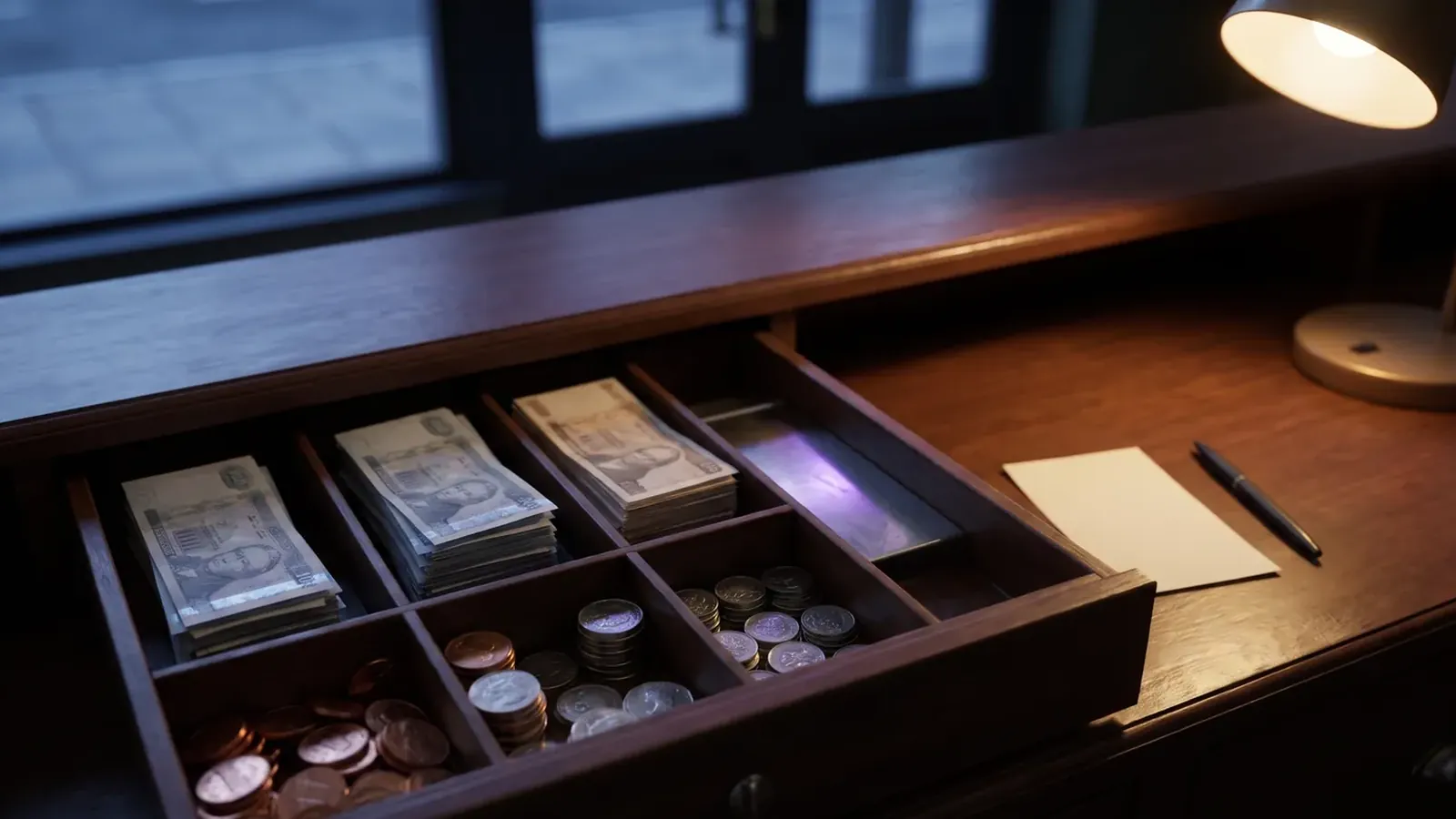
A till difference isn't a problem in itself — every shop has them. The problem starts when it surfaces days later and nobody can say which shift it came from. Everyone is acting in good faith, the number still doesn't add up, and someone ends up swallowing it.
Why per-shift closing helps
| Daily close | Per-shift close | |
|---|---|---|
| Attributing a difference | Not possible | Unambiguous |
| When it surfaces | Next day or later | At the end of the shift |
| Does anyone remember | Rarely | Almost always |
| Tone of the conversation | Suspicious | Matter-of-fact |
The steps
- 11. Open the shift with the floatThe cashier enters the change in the drawer. Without it the close has nothing to compare against.
- 22. Sales attach to the shift automaticallyNothing extra to do — sales belong to the open shift and the signed-in employee.
- 33. Count firstCount the cash and enter it before looking at the expected amount, otherwise people unconsciously adjust to it.
- 44. The system shows the differenceFloat plus cash sales versus what is actually there — while everyone who knows the day is still present.
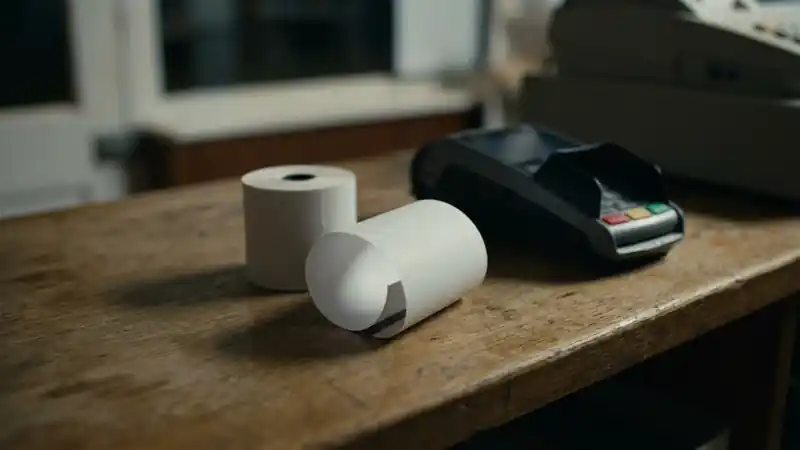
- 55. Check the card totalCompare with the terminal's daily close; this catches transactions that went through the terminal but never reached the till.

Where the difference comes from
A cash difference isn’t necessarily an error, and it is very rarely deliberate. Most of the time the causes are ordinary and fixable — but only if you know which one you are looking at. That is why a short note on the difference, written while the memory is fresh, matters more than the number itself.
| Typical cause | Usual size | What to do |
|---|---|---|
| Change rounding | Tens of units | Ignore it — this is normal noise |
| Card and cash mixed up | One transaction | Find the transaction, correct it |
| Forgotten void or return | One transaction | Record it afterwards with a note |
| Float taken without a record | A round number | Handle float movements separately |
| The same difference every time | A repeating pattern | No longer chance — look at the process |
What to do when the difference is large
- 11. Count againThe most common cause is simply a miscount. Before you look for anything, count once more.
- 22. Look for the big itemsA large difference usually comes from one transaction, not a hundred small ones. Look for a sale of a similar amount.
- 33. Card versus cashCheck whether card takings ended up on the cash side or the other way round.
- 44. Write down what you foundEven if it wasn’t resolved. Next time this note will be the thing that cracks it.
- 55. Don’t close it “tidy”A difference has to be owned, not made to disappear. Shifts closed tidily are what ruin the pattern.
Handover between two shifts
Most disputes don’t start at closing — they start at the handover. If two people work the same till without a new shift being opened, then at the end of the day there is no way to say in which stretch the difference appeared, and both are now involved in something only one of them is likely responsible for.
- 1The person leaving closes: counts the till, records it, ends the shift.
- 2The person arriving opens: enters the float, which starts a new shift.
- 3Leave one shared minute between the two, where both see the same number.
- 4If there is no time, close anyway — a fast close still beats a shared till.
In summary
Per-shift closing beats daily closing because it ties the difference to the few hours in which it appeared. Float at open, a clean handover, a counted close and a short note on any difference — a few minutes per shift. The payoff shows up weeks later, when a repeating pattern reveals a process problem rather than a person’s mistake.
Frequently asked questions
What is cash reconciliation?
Comparing the cash actually in the drawer with what should be there based on the opening float and sales. The gap is the difference.
Why close per shift rather than per day?
Because a difference then belongs to a short window and one person who still remembers the day.
How long does a close take?
About five minutes, plus a minute or two to check the card total against the terminal.
What if the difference is always the same?
That is almost always a process fault — often a product recorded at the wrong price, or a refund that never reaches the system.
Say the product's name and it's there on the till.
Boltom App takes the work behind the counter off your hands. You find a product by looking at its photo or saying its name out loud — no codes, no scraps of paper. Whatever leaves the shelf or goes in the bin is recorded right there, not in a notebook. It works alongside your existing till, not instead of it.
- A quick code with a photo — or just say the product's name and the till finds it.
- Staff consumption in three taps, recorded under the person's name.
- Daily waste with its reason: expired, broken, unsellable — totalled up in money.
No card needed · 2 minutes