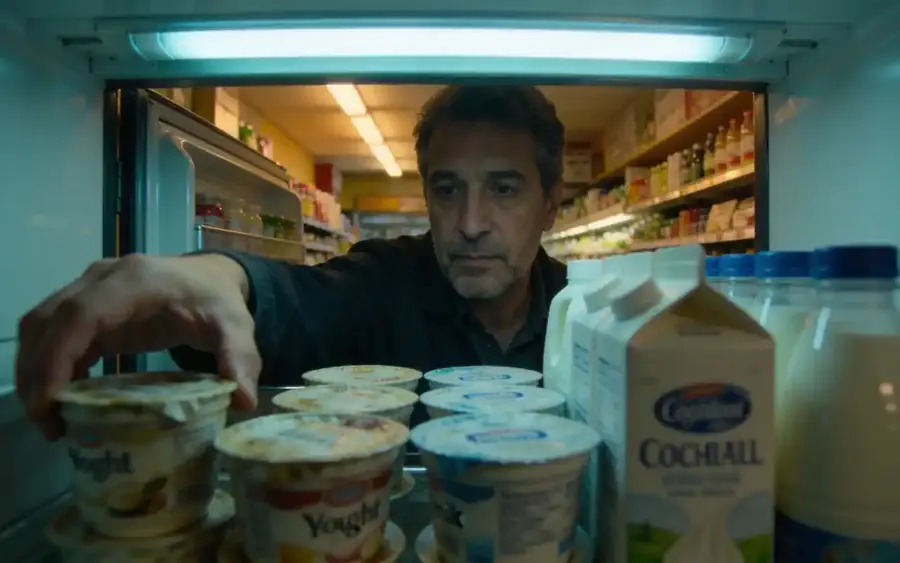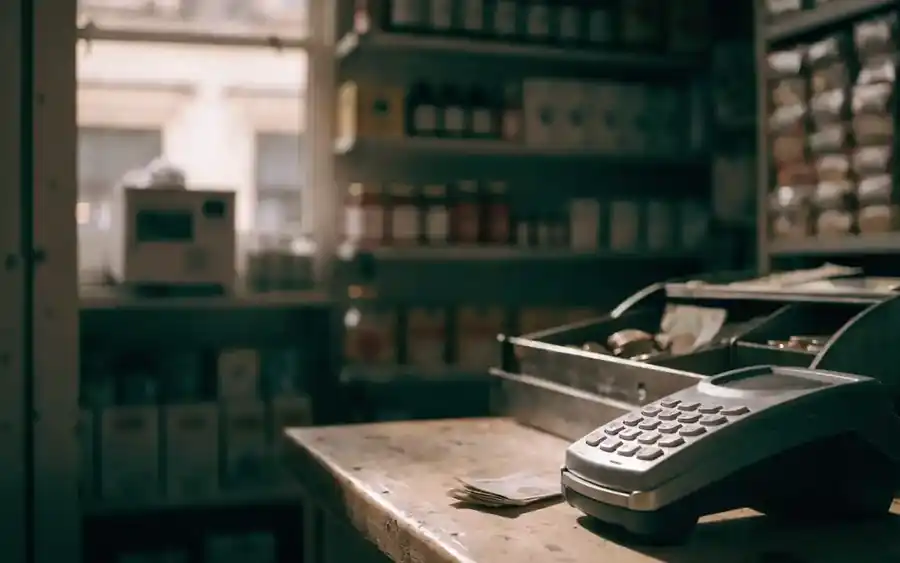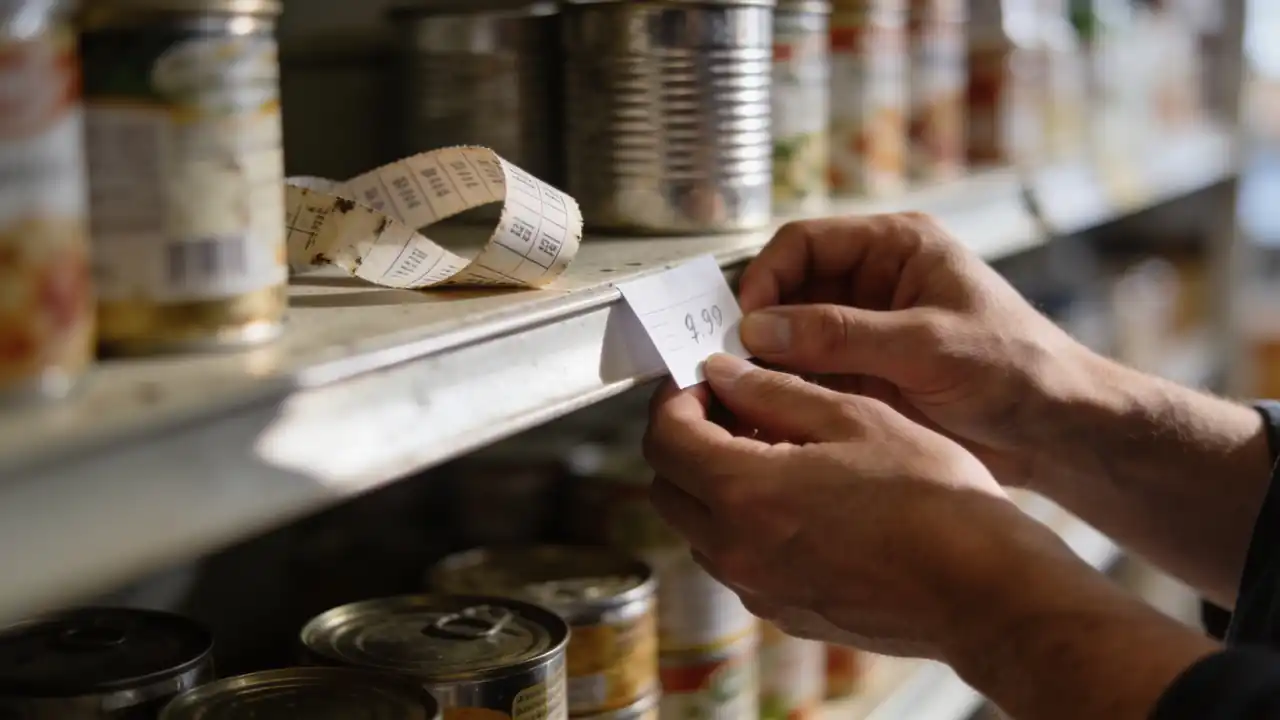
Ten o'clock on a Tuesday morning, two customers at the counter. A woman and a man walk in, wait for the queue to clear, then introduce themselves and show their ID: they've come to carry out an inspection. The shopkeeper's stomach tightens, even though they've done nothing wrong. They just don't know what will be checked, how long it will take, and whether yesterday's promotion label came down from beside the bread put out this morning.
A consumer protection inspection is one of the biggest worries for many owners. The horror stories are about huge fines, but less is said about the fact that an inspection is usually a calm, predictable process, and most of the time the same few things are checked. If you know what they look for, an inspection isn't an exam but a fresh pair of eyes that spots what slipped through in the daily rush.
This article goes through how an inspection works, what is checked most often, where shops slip up, what a fine depends on, what to do on the day and afterwards — and gives you a printable checklist for a monthly self-check. Handling customer complaints is covered in detail in Customer complaints at the till: how to handle them so the customer comes back, keeping dates in order in Date codes in the shop: the rotation that prevents waste, and age-restricted products in Alcohol and tobacco at the till: age checks, asking for ID and how to say no. The rules differ from country to country; here we describe what is similar in many places.
How an inspection works
In many countries inspections happen without prior notice, since the aim is for the authority to see the shop as it is on an ordinary day. Sometimes the inspector first buys something as a customer and only introduces themselves after paying — that way they see whether the price charged at the till matches the price on the shelf, and whether they get a receipt. In a small shop an inspection typically takes one to two hours, and you usually don't have to close while it's going on.
- Introductions. The inspectors say who they are and where they're from, and show their ID. Feel free to ask for it and look at it — that isn't rude, it's your right.
- Test purchase. In many places they start or finish with this: they buy a few products and compare the price, the receipt and the shelf label.
- Walk-round. They go along the shelves, looking at price labels, unit prices, dates, labelling, chilled goods and the notices on display.
- Paperwork. They may ask for the business details, the record of complaints, proof that the scales have been verified, or a delivery note showing where a product came from.
- Report. At the end they write down what they found, and someone representing the shop signs the report — usually you keep a copy.
If you happen not to be in the shop, a member of staff can receive the inspection. So it's worth agreeing with your staff in advance what to do: where the paperwork is, who to call, and that the report is only signed once it's been read. An inspection isn't a raid — most inspectors want the same thing you do: for it to be over quickly and properly.
What is checked most often
The areas inspected vary from country to country, but in a grocery or convenience shop the list is similar in many places. The table below brings together the points checked most often, with the typical mistakes. Not every point applies to every shop: if you don't weigh goods, the scales aren't an issue, and if you don't sell age-restricted products, neither is that.
| Area | What they check | Typical mistake |
|---|---|---|
| Price display | A clearly legible price on every product or on the shelf, and a unit price where required. | Missing unit price, a faded or misplaced label, a product with no price. |
| Displayed vs charged price | Whether the customer pays the same at the till as the price on display. | An expired promotion on the shelf or in the till, a forgotten price change. |
| Promotional price | Whether the promotional price and, in many places, the previous price are shown, and whether the discount is genuine. | The promotion has ended but the label stayed up; the "previous price" isn't real. |
| Dates | Whether there are out-of-date products on the shelf or in the fridge. | One or two forgotten packs at the back of a shelf. |
| Labelling | Whether the product label is in the local language and the required information is there. | An imported or local product with no label, only foreign-language text. |
| Complaint handling | Whether there's a procedure and a record, and whether you reply on time. | Nobody knows where the complaints book or the complaints procedure is. |
| Shop information | Whether the shop's name, operator, contact details and opening hours are displayed. | Old opening hours on the door, missing business details. |
| Receipt | Whether the customer gets a receipt for their purchase. | No receipt for small purchases. |
| Payment options | Whether the accepted ways to pay are displayed, and whether what's displayed actually works. | The card sign is up, but the terminal hasn't worked for days. |
| Scales | Whether the scales are verified and the customer can see the display. | Verification out of date, the display turned away from the customer. |
On top of these, many places check how age-restricted products are sold — whether there's a notice, whether ID is asked for — how guarantees and warranties are handled, meaning how the shop deals with a customer returning a faulty product, and the temperature of chilled goods. In many countries that last one belongs to a different authority, but inspections often go hand in hand. The practice of age checks is covered in Alcohol and tobacco at the till: age checks, asking for ID and how to say no.
Prices and price labels: where most shops slip up
If you had to name the one area where small shops slip up most often, it's price display. Not because the shopkeeper wants to mislead customers, but because a small shop has hundreds of prices live at once, and every one of them changes — supplier price rises, promotions, markdowns. One forgotten label is enough for the shelf to show something different from what the till charges. For the customer that's an annoyance, for the inspector it's a mistake, whichever way the price is out.
- A price next to every product. In many places a product with no price is a mistake in itself, even if the till knows the price.
- Unit price where required. In many countries goods sold by weight and products in different pack sizes also need a unit price — per kilogram, per litre — clearly legible.
- The label under the product. If a label sits between two products or has slipped, the customer reads the wrong price, and that's your mistake.
- Legible, not faded. A label bleached by the sun, or one that's been crossed out and rewritten by hand, isn't proper price display.
- Promotions: start and end. When a promotion ends, the label comes down too, in the same hour the price goes back in the till.
- Previous price. In many places a promotion must also show the previous price, and it has to be a genuine price that was actually charged before.
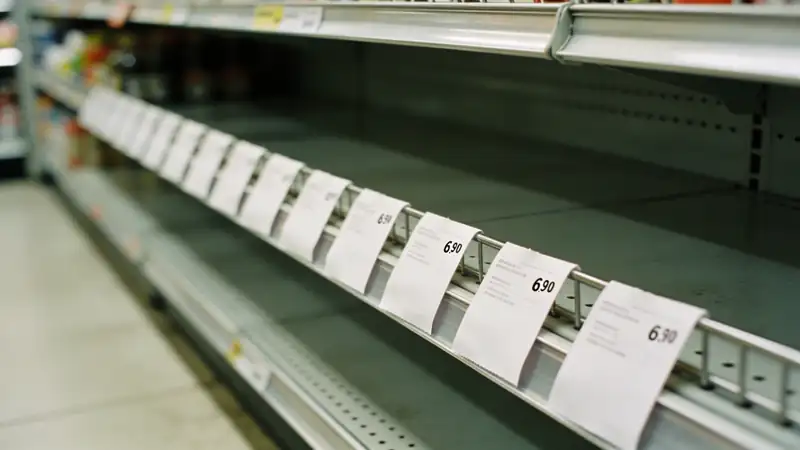
A gap between the displayed and the charged price is the most awkward mistake, because a test purchase reveals it in a minute. It mostly happens with promotions: the shelf already shows the old price but the till still has the promotional one — or the other way round. A simple habit prevents it: always make a price change in the till and on the shelf at the same time, and at the end of the day go through the products whose price changed. How to introduce a price change so that customers understand it too is shown in When and how to raise prices without losing customers.
Out-of-date products and labelling
An out-of-date product on the shelf is the mistake an inspector finds most easily and a customer forgives least. In a small shop it's rarely deliberate: a yoghurt at the back of the fridge, a packet of biscuits on the top shelf that nobody has touched for weeks. In many countries it also matters that a "best before" date and a "use by" date mean different things — after a use-by date a product typically can't be sold, while the rules for best-before dates vary.
- Rotate the shelf. Products with later dates go to the back, earlier ones to the front — so the old ones don't get stuck at the end of the row.
- A quick daily round at the fridge. Dairy, cold meats and fresh goods have the shortest dates; a minute in the morning or before closing is enough.
- A weekly round of the dry goods. Tins, spices and biscuits sell slowly, which is why this is where checks are most often skipped.
- Take an out-of-date product off straight away, and don't put it under the shelf but in a separate, clearly marked place, so it can't go back by mistake.
- Labelling in the local language. Imported products and those from small local producers also need the required information on the label in the local language — if it's missing, add it, or don't put the product out.

Keeping dates in order, rotating stock and preventing anything from going out of date in the first place are covered in detail in Date codes in the shop: the rotation that prevents waste. Here it's enough to say this: if you find an out-of-date product on the shelf, it isn't a failure but a sign that you look at that shelf less often than you should.
Complaint handling, information and receipts
Consumer protection isn't only about the shelves but also about how the shop treats a customer when something isn't right. In many countries some kind of complaints procedure is required: a complaints book or customer book, a written complaints policy, a record of complaints and a deadline within which the shop has to reply. The inspector isn't checking whether there were complaints, but whether, if there were, they can be found and the customer got a reply.
- Know where it is. Everyone in the shop should be able to find the complaints book or the complaints procedure — your staff too, not just you.
- Write the complaint down. It's worth briefly noting a spoken complaint too: when, what happened, what the customer asked for, what you replied.
- Reply on time. Where the rules require a written reply, the deadline is often short; keep the reply and its date.
- Display the shop's details. The shop's name, the operator's name and contact details, the opening hours — clearly visible and up to date.
- A receipt for every purchase, where required. For small purchases too, if that's the rule — the inspector often checks exactly this during a test purchase.
- Payment methods: what's displayed should work. If card payments are down for a while, put a notice on the door too, don't just say it at the counter.
Handling guarantees and warranties belongs here too: if a customer comes back with a faulty product, the shop can't simply send them off to the manufacturer if, under local rules, the shop is responsible. How to handle a complaint at the counter so the customer leaves satisfied and a record remains is shown in Customer complaints at the till: how to handle them so the customer comes back.
What gets fined, and what the amount depends on
A fine is the word most shopkeepers dread, yet the amount is rarely arbitrary. In many countries authorities decide on the basis of a set of criteria, and a first, minor mistake that's quickly put right carries very different weight from a repeated deception, one affecting many customers or a deliberate one. We deliberately don't give any amounts here: they vary from country to country, and even from year to year.
| Criterion | What typically counts in your favour | What typically counts against you |
|---|---|---|
| Seriousness | One or two misplaced labels, an administrative gap. | Misleading customers, a product that endangers health. |
| Repetition | First time, a shop previously found in order. | The same mistake a previous inspection already found. |
| Size of the business | A single shop with low turnover. | Higher turnover, several shops, many customers a day. |
| Customers affected | A single product, for a short time. | Many products, over a longer period, affecting many customers. |
| Intent | Obvious carelessness. | Deliberate misleading, such as a false "previous price". |
| Cooperation | Immediate correction, an open attitude, handing over the requested documents. | Obstruction, concealment, failing to put things right. |
In many places, for a first, minor mistake the authority gives a warning or sets a deadline to put it right, and only fines if the mistake isn't fixed or happens again. But it's not something to count on: in some places even a first mistake brings a fine, and an out-of-date product that endangers health is treated more seriously almost everywhere. What counts almost everywhere: if you fix the mistake straight away, during or after the inspection, and can show that you did, it works in your favour.
„An inspector isn't looking for a flawless shop, but for whether you keep it in order. A slipped label happens. A neglected shelf doesn't.”
On the day of the inspection: what to do and what not to do
On the day of the inspection, the most important thing is to stay calm. Inspectors are doing a job, they aren't enemies, and your attitude often counts as much as the state of the shelves. The list below covers what to do when they're standing at the counter — whether you receive them or a member of staff does.
- Greet them politely and ask to see their ID. Write down their names and the time — it'll be on the report too, but it's good to have your own note.
- If you're not there, your staff should call you. They don't have to wait for you, but it's good if you know, and you can come in if needed.
- Hand over what they ask for. The business details, the complaint handling paperwork, the scales verification, the delivery note — it's worth keeping these in one folder so nobody has to search.
- Accompany them on the walk-round. If they ask something, answer briefly and honestly; if you don't know the answer, say so and find out.
- If they find a mistake, don't argue in front of the counter. If you can, fix it straight away — change the label, take the out-of-date product off — and ask for that to go in the report too.
- Read the report before signing. Calmly, all the way through; if something is inaccurate, say so before you sign.
- Add your comments. If you disagree with a finding, in most places you can write your own comments on the report — briefly and factually.
- Ask for a copy. Keep a copy of the report, and take photos of what you put right.
What to avoid
- Don't obstruct the inspection or send them away saying there's no time now — in many places obstruction is more serious in itself than the mistake.
- Don't hide anything while they're watching; it's better to show them the out-of-date product and take it off in front of them.
- Don't sign anything you haven't read or don't understand — ask.
- Don't promise anything you can't deliver; give a realistic deadline for putting things right.
- Don't try to bargain or offer gifts. Offering a coffee is courtesy; anything more can be misunderstood.
After the inspection: putting things right and challenging findings
Once the inspectors have left, it isn't over yet. If they found mistakes, the next few days decide whether the matter ends with a warning or goes further. Sit down that evening with the report and write down what you need to fix, who will do it, and by when.
| Situation | What to do | What to watch for |
|---|---|---|
| No mistakes found | File the report in the folder and tell the team. | A good inspection doesn't mean the next one will be — the monthly round stays. |
| A minor mistake found and fixed on the spot | Photograph the fix and keep it with the report. | If asked, this is how you show the mistake has been put right. |
| A deadline set for putting things right | Note the deadline and decide who is responsible. | Make the fix before the deadline and, if required, let the authority know. |
| A fine imposed | Read the decision and check the deadlines for paying and for challenging it. | If you dispute it, do so in writing within the deadline; if you're unsure, get professional advice. |
| You disagree with a finding | Gather what supports your position: photos, delivery notes, receipts. | How and by when you can challenge it varies by country — the decision usually sets it out. |
If the mistake comes from a team habit — for example, staff don't know that the label has to come down when a promotion ends — then putting it right isn't a matter of changing a label but of a short chat. Explain what was found, why it matters and what the routine will be from now on. That way an inspection isn't a punishment but one of the cheapest pieces of advice you'll get in the coming months.
A monthly self-check, step by step
The best preparation isn't a scramble before an inspection — after all, you usually don't know when they're coming — but a regular, short self-check. Once a month, in a quiet hour, fifteen to twenty minutes is enough if you know what you're looking for. Do it the way an inspector would: walk in as a customer and look around.
- 11. Walk in as a customerStep outside and come back in through the door. Check that the opening hours, the shop's name, the operator and the contact details are displayed, and that the payment method signs are true.
- 22. Buy five productsPick five products off the shelf — including one on promotion and one sold by weight — and ring them up. Does the price charged at the till match the price on the shelf, and do you get a receipt?
- 33. Go through one shelf label by labelPick a different shelf each month and check every product on it: does it have a price, a unit price where required, is the label under the right product, and is it legible?
- 44. Go through the promotionsFor every promotion label on display, check whether the promotion is still running and whether the till has the promotional price too. Where required, is the previous price shown, and is it genuine?
- 55. Check the datesThe fridge in full, the dry goods by spot check, including the back of the shelf. Take anything out of date off straight away and record it as waste.
- 66. Find the paperworkIs the complaints book or complaints procedure there, are the recorded complaints and replies in order, is the scales verification valid, and is everything in one folder?
- 77. Write down what you foundOne line in the notebook: the date, what you checked, what you found, what you fixed. If something keeps coming back, it isn't the shelf's fault but a habit's — and that's what needs to change.
Printable checklist
- The shop's name, operator, contact details and up-to-date opening hours are displayed on the door or at the entrance.
- The payment methods on display work; if something is temporarily down, that's displayed too.
- Every product has a clearly legible price, and the label is under the right product.
- The unit price is displayed where required.
- The price charged at the till matches the price on the shelf — I tested it with five products.
- Labels for ended promotions have come down, and the till no longer has the promotional price either.
- Where required, promotions also show the previous price, and it's genuine.
- There are no out-of-date products in the fridge or on the shelves; I checked the back of the shelves too.
- Every product is labelled in the local language, local and imported products alike.
- The complaints book or complaints procedure is there, and staff know where it is too.
- Complaints have been recorded and replied to on time.
- Customers get a receipt for every purchase where this is required.
- The scales verification is valid, and the display faces the customer.
- The notice for age-restricted products is up, and staff know when to ask for ID.
- The paperwork is in one folder, and the team knows what to do if an inspector arrives.
Common mistakes
- The promotion has ended, the label stayed up. The most common gap between the displayed and the charged price.
- Missing unit price. Required in many places for goods sold by weight and different pack sizes, and often left out.
- A label in the wrong place. Between two products, slipped, or with the price of an older product.
- One or two out-of-date packs at the back of the shelf. Not deliberate, but the inspector finds them.
- A foreign-language label. An imported or small local producer's product without the required local-language labelling.
- Nobody knows where the complaints book is. The staff member searches, the owner doesn't pick up the phone.
- Old opening hours on the door. The summer or holiday hours stayed up, or the new ones aren't displayed.
- No receipt. Especially for small, quick purchases.
- Arguing in front of the counter. Attitude often counts as much as the mistake itself.
- Signing without reading. It's hard to dispute afterwards what you've signed.
Summary
- In many countries a consumer protection inspection looks at the same few areas: prices, dates, labelling, complaint handling, customer information and receipts.
- Most mistakes come from carelessness, not intent — a gap between the displayed and the charged price comes first.
- A fine typically depends on how serious the mistake is, whether it's repeated, the size of the business, how many customers are affected and how cooperative you are; for a first, minor mistake many places give a warning.
- On the day, be polite, hand over what's asked for, fix what you can, and only sign once you've read the report.
- If you disagree, add your comments, ask for a copy and keep an eye on the deadline for challenging it.
- A fifteen-minute self-check every month with the printed list — that's the cheapest insurance there is.
Frequently asked questions
What does a consumer protection inspection check in a shop?
In most countries the same areas: price display and unit prices, whether the price charged at the till matches the price on display, dates, product labelling, complaint handling, whether the shop's details and opening hours are displayed, and whether receipts are given. Where goods are weighed, the scales are checked, and where age-restricted products are sold, how that's done. The exact list differs from country to country. Your local authority's guidance tells you what's required for you.
Are consumer protection inspections announced in advance?
In many countries they aren't, because the aim is for the authority to see the shop on an ordinary day. Sometimes the inspector first buys something as a customer and only introduces themselves after paying. That's why good preparation isn't a scramble before an inspection, but a regular self-check. If the shop is in order every day, it doesn't matter when they come.
How long does an inspection take?
In a small shop it typically takes one to two hours, but that also depends on the size of the shop and any mistakes found. You usually don't have to close, and you can keep serving customers meanwhile. If the inspection runs longer, ask what to expect. A calm, cooperative attitude usually speeds things up too.
What paperwork can they ask for during an inspection?
They often ask for the details of the shop and its operator, the complaint handling paperwork, such as the complaints book or complaints procedure, and the recorded complaints with the replies. Where goods are weighed, they may ask for proof that the scales are verified, and for some products a delivery note showing where they came from. It's worth keeping all of this in one folder near the counter. That way your staff can find it too if you're not there.
What's the most common mistake in a small shop?
Price display: a missing unit price, a slipped or faded label, and above all the till charging a different price from the one on the shelf. This mostly happens with promotions, when the promotion has ended but the label stayed up, or the other way round. The second most common is one or two out-of-date products at the back of a shelf. A regular, short self-check prevents both.
How big is a consumer protection fine?
That's set by rules that differ from country to country, so it's not worth giving a general figure. Authorities typically take into account how serious the mistake is, whether it's repeated, the size of the business, how many customers are affected, intent and cooperation. A first, minor mistake fixed on the spot carries very different weight from a repeated deception. The exact limits are set out in your local authority's information.
Can I get a warning instead of a fine?
In many countries, yes: for a first, minor mistake the authority often gives a warning or sets a deadline to put it right. But that isn't the rule everywhere, and for more serious mistakes, such as an out-of-date product that endangers health, it rarely happens. What counts almost everywhere is fixing things straight away and cooperating. It's not something to count on — keeping things in order is.
What should I do if I'm not in the shop when the inspection happens?
A member of staff can receive the inspection, so it's worth agreeing what to do with them in advance. They should know where the folder with the paperwork is, call you when the inspectors arrive, and only sign the report once they've read it. If they don't understand something, they should ask, or ask whether the inspectors can wait for your call. A short written to-do list under the counter helps a lot.
Do I have to sign the report if I disagree with it?
The rules differ from country to country, but in many places your signature confirms that you received the report, not that you agree with everything in it. In most places you can write your own comments on it or attach them separately. Note briefly and factually what you disagree with and why. Always ask for a copy, and if you're unsure, ask a professional.
What should I do if they find an out-of-date product on the shelf?
Don't argue — take it off straight away, in front of them, and ask for the fix to go in the report too. Then look at how it could have stayed there: which shelf you check less often than you should. Record the product you removed as waste, with the reason, so you can see it later. Proper stock rotation is the best way to make sure it doesn't happen again.
How should I prepare for a consumer protection inspection?
The best preparation is a monthly fifteen-minute self-check with a short list. Walk in as a customer, buy five products and check the prices match, go through one shelf label by label, check the promotions and the dates, and find the paperwork. Write down what you found and what you fixed. If a mistake keeps coming back, change the habit, not just the label.
Is whether the customer gets a receipt a consumer protection matter?
In many countries giving receipts is a tax rule, but consumer protection inspections often check it too, because a receipt is how the customer proves a purchase if they complain later. During a test purchase the inspector often watches for exactly this. Where receipts are required, they're required for small purchases too. The exact rule is set out in your local authority's guidance.
Say the product's name and it's there on the till.
Boltom App takes the work behind the counter off your hands. You find a product by looking at its photo or saying its name out loud — no codes, no scraps of paper. Whatever leaves the shelf or goes in the bin is recorded right there, not in a notebook. It works alongside your existing till, not instead of it.
- A quick code with a photo — or just say the product's name and the till finds it.
- Staff consumption in three taps, recorded under the person's name.
- Daily waste with its reason: expired, broken, unsellable — totalled up in money.
No card needed · 2 minutes