In most shops, training looks like this: the new colleague stands behind the counter all day, nods, and goes home after four hours of continuous talking. The next morning they remember almost none of it — not because they weren't paying attention, but because they had nothing to do. What you don't do, you don't learn.
Three days is not a magic number. It is how long it takes to reach the point where someone can serve a customer end to end and knows what to do when something goes wrong. They won't be experienced yet — that takes weeks — but from here on you no longer need to stand next to them.
The seven steps at a glance
- 1Watching one complete sale — with no commentary.
- 2The same sale, but they do it.
- 3Search: what happens when a product isn't on screen.
- 4Undo and correction: wrong item, wrong quantity, customer changed their mind.
- 5An independent stretch of the shift with you not interfering.
- 6Recording waste and own consumption — the trust step.
- 7Closing the shift, and one name they can always call.
Day 1 — watch, then one complete sale
- 1Step 1 — One sale, no commentaryServe a customer exactly as you normally would while they watch. Don't explain during it: talking pulls attention away from what they can see. Afterwards ask what they noticed.
- 2Step 2 — The same, but they do itThe next customer is theirs, you stand beside them. This is where you find out what wasn't obvious — usually far less than you expected. Do it on the same day.
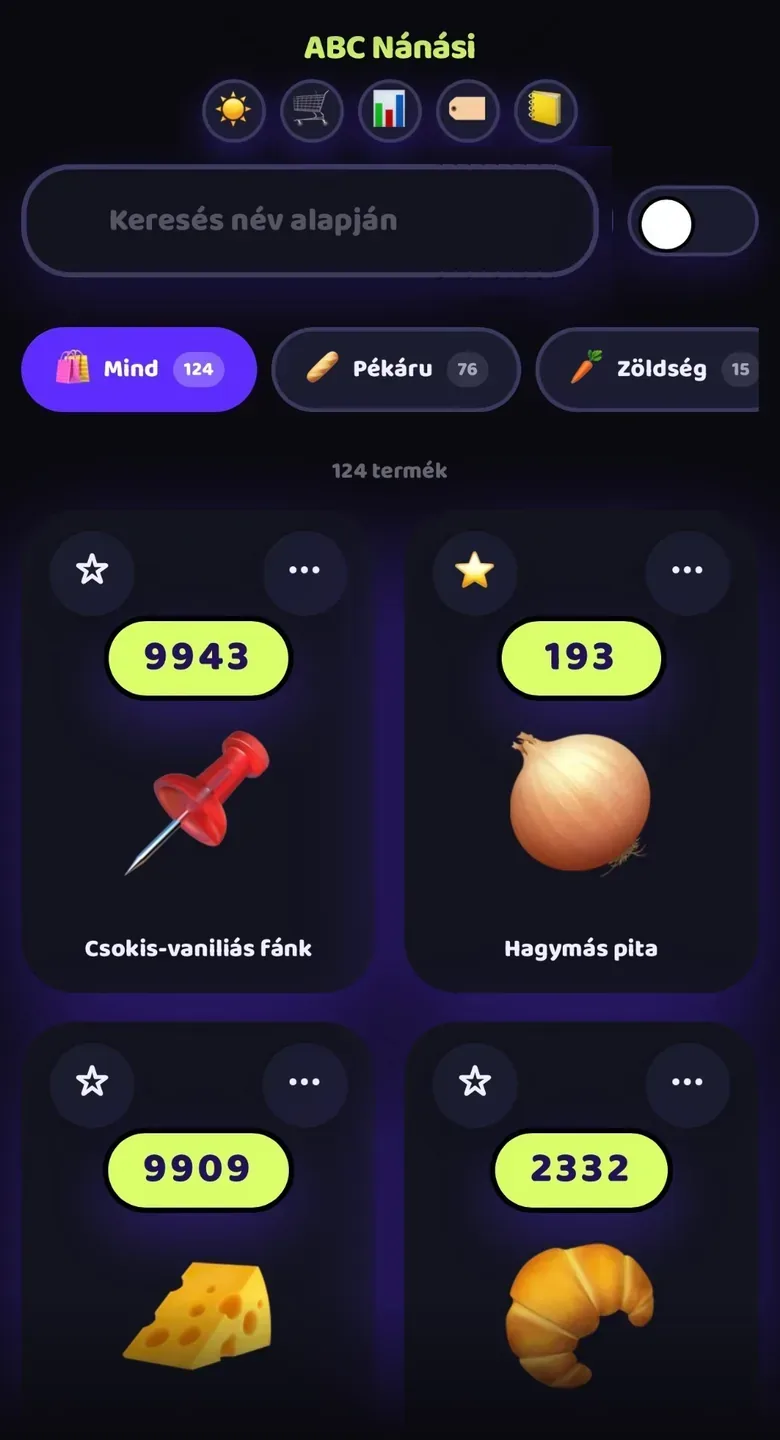
- 3Step 3 — Search: when the product isn't on screenThis is the skill that solves everything else. Type the name or the quick code and look at the result. With a photo next to the code, they don't need to know the name: they recognise the product.
Day 2 — they run the till, you stay back
Day two is hardest for you, not for them: your job is not to interfere. If you take over at every small hitch, they learn that you will solve it anyway — and three weeks later they still turn around at every customer.
- 1Step 4 — Undo and correctionWrong item, wrong quantity, a customer changing their mind. All three will happen in week one, and until they can fix it, they will be afraid of the till — and fear is slower than ignorance.
- 2Step 5 — An independent stretch, no interferenceGive them a quieter hour or two on their own. Be nearby, not behind them. Afterwards don't ask how it went — ask what was hardest. That has a concrete answer.
Day 3 — mistakes, accounting, independence
- 1Step 6 — Waste and own consumptionShow how to record thrown-away stock and what they took themselves. Say out loud that this is fine: consumption isn't theft, waste isn't a failure. Left unsaid, people simply won't record it — and the report becomes useless.
- 2Step 7 — Closing, and one nameWalk through the shift close: counting cash, handling a discrepancy, ending the day. Then give them a name and a phone number for when they are alone and stuck. Those five seconds are worth more than all of day one.

Common beginner mistakes — and what prevents them
| Beginner mistake | The real cause | What prevents it |
|---|---|---|
| Rings up the wrong product | Two similar items, identified by name only | A photo next to the code, distinct codes for similar items |
| Can't find a product, holds up the queue | Learned codes, never learned search | Search is step 3, on day one |
| Won't undo a wrong line | Doesn't know it's allowed, or how | Step 4: practised undo |
| Doesn't record discarded stock | Afraid of being blamed | Say it plainly: waste isn't a failure |
| Stays silent about a till discrepancy | Fears having to cover it personally | A clear rule: call, don't cover |
End-of-day-three checklist
- 1Serves a customer end to end without prompting.
- 2Finds a product they don't know.
- 3Removes a wrongly entered line.
- 4Records one waste item and one own-consumption item.
- 5Can say what they do when the till doesn't balance.
- 6Closes a shift.
- 7Knows who to call when they're alone and stuck.
If one of these doesn't work, that's twenty more minutes on that one thing. If three of them don't, the problem isn't the person — it's the order: day one probably had too much talking and too little doing.
Frequently asked questions
Are three days really enough?
Enough to serve customers alone and handle everyday mistakes. Routine — rare products, seasons, suppliers — takes weeks, but that is picked up on the job, not in training.
What should the first hour cover?
One complete sale with no commentary, then immediately the same sale performed by them. Nothing else: no price list, no policy document, no reports.
Who should do the training?
Whoever does the job daily teaches the daily work. Anything involving money — voids, discounts, discrepancies — should be stated by the owner or manager, because that is who will ask about it later.
Should I hand over written material?
One laminated sheet: the twenty most frequent quick codes, how voids and discounts work, what counts as waste and own consumption, and a phone number. A long policy protects nothing in week one.
When can they close alone?
Once they have done it beside you and can say what they do about a discrepancy. Review the first solo close the next morning — not as a check, but so the next one is certain.
Say the product's name and it's there on the till.
Boltom App takes the work behind the counter off your hands. You find a product by looking at its photo or saying its name out loud — no codes, no scraps of paper. Whatever leaves the shelf or goes in the bin is recorded right there, not in a notebook. It works alongside your existing till, not instead of it.
- A quick code with a photo — or just say the product's name and the till finds it.
- Staff consumption in three taps, recorded under the person's name.
- Daily waste with its reason: expired, broken, unsellable — totalled up in money.
No card needed · 2 minutes